
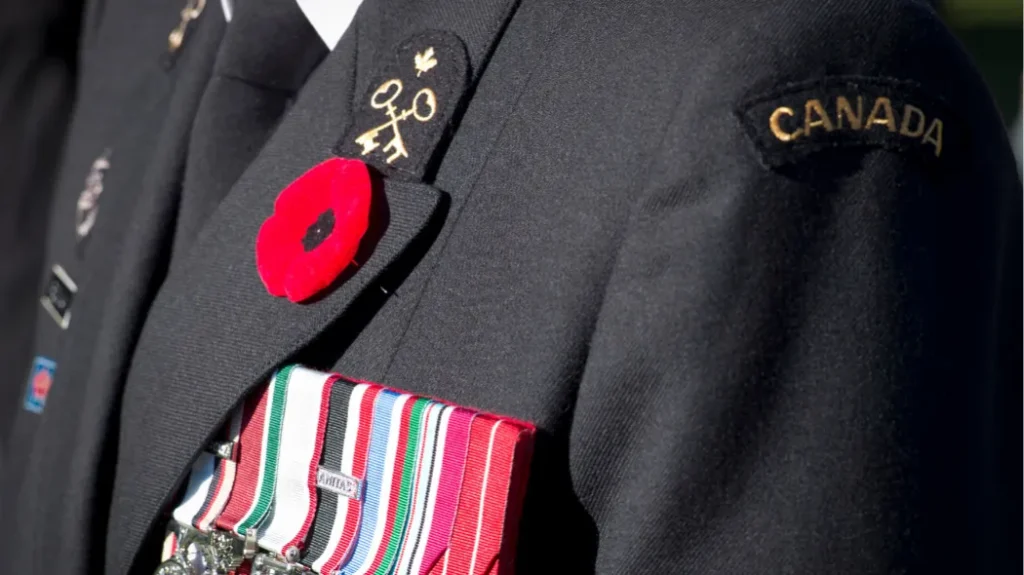
Every November 11, Canada observes Remembrance Day, a day to honour the people who died while serving in the country’s military and to recognize those who have served and continue to serve.
For families living in Canada, Remembrance Day is also an opportunity to learn about the country’s history and talk with children about remembrance, peace, and respect.
Why Is Remembrance Day on November 11?
On November 11, 1918, an armistice came into effect, bringing the fighting in the First World War to an end. The armistice took effect at 11 a.m., the eleventh hour of the eleventh day of the eleventh month.
Canada first observed the date as Armistice Day. In 1931, it was officially renamed Remembrance Day and established as November 11.
What Does the Red Poppy Mean?
In the days leading up to November 11, it is common to see people wearing a small red poppy. The flower became a symbol of remembrance because poppies grew on First World War battlefields and were featured in the poem In Flanders Fields, written by Canadian military physician John McCrae.
The red poppy honours those who died in military service. The Royal Canadian Legion’s annual Poppy Campaign also raises funds to support veterans and their families.
What Happens at 11 a.m.?
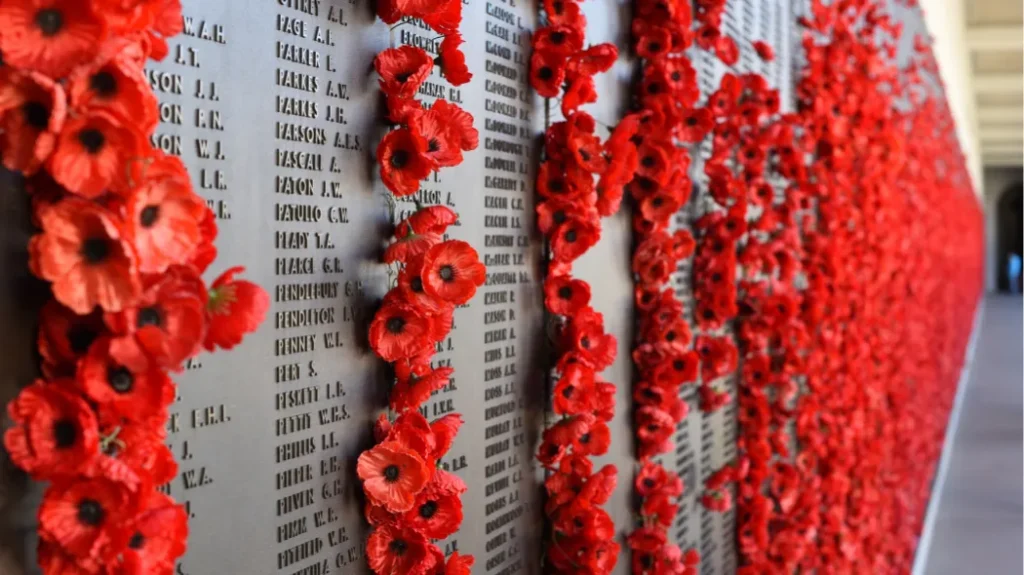
At 11 a.m. on November 11, many people across Canada observe two minutes of silence. This moment offers an opportunity to remember those who lost their lives and reflect on the impact of war.
Communities may also hold ceremonies at memorials, lay wreaths, and share readings or speeches.
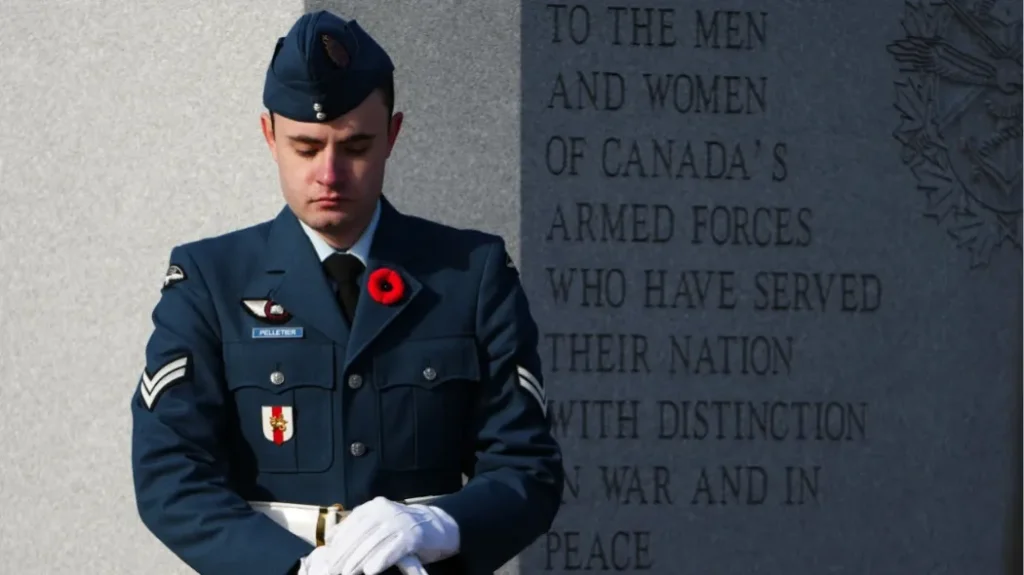
How Can Families Talk About Remembrance Day with Children?
Families can explain the day in simple, age-appropriate language. There is no need to share difficult details to help children understand its meaning.
Here are a few ways to start a conversation:
- Explain that Remembrance Day honours people who served and died during conflicts.
- Look at a red poppy together and talk about why it is used as a symbol.
- If your family chooses, observe the two minutes of silence respectfully.
- Talk about the importance of peace, empathy, and resolving disagreements without violence.
For children learning Spanish, the day can also be an opportunity to explore words such as recuerdo (remembrance), paz (peace), comunidad (community), and respeto (respect).
A Day to Remember and Learn
Remembrance Day is an important part of Canada’s civic and cultural life. Learning about its history can help newcomers and younger generations better understand the traditions of the country where they live.
At PSLA, we believe learning Spanish can also open the door to conversations about history, culture, and the experiences of the communities around us.
Looking for more ways to learn and practice Spanish as a family? Visit our Resources page for articles and ideas to support children as they learn the language.
Remembrance Day ceremonies and observances may vary by community and province.
Frequently Asked Questions
Is November 11 a public holiday in Canada?
November 11 is a federal statutory holiday called Remembrance Day. Whether it is observed as a day off can vary by province or territory.
Why is there a moment of silence at 11 a.m.?
The time marks the moment the First World War armistice took effect on November 11, 1918. Many people observe two minutes of silence to honour those who died in military service.
What does the red poppy represent?
The red poppy symbolizes remembrance for those who died in military conflicts. It is also part of the Royal Canadian Legion’s annual fundraising campaign to support veterans.