Halloween is celebrated in many parts of the world, but November also brings meaningful traditions across Latin America. Discover four cultural celebrations and simple ways to explore Spanish-speaking heritage with your family.
More Than Halloween: Discover the Cultures Behind the Celebrations
As October ends, many families in Canada look forward to Halloween, costumes, pumpkins, and trick-or-treating. But across Latin America, late October and early November also bring meaningful cultural traditions, family gatherings, and time to remember loved ones.
From colorful altars in Mexico to enormous handmade kites in Guatemala, these celebrations reflect the diversity of Spanish-speaking cultures and the ways communities pass traditions from one generation to the next.
At Parents for Spanish, we believe that learning a language is also an opportunity to discover the people, histories, and cultures behind it. Let’s explore four traditions that offer a window into Latin American heritage.
These celebrations have distinct histories and meanings. They are not simply Latin American versions of Halloween, and customs vary between regions, communities, and families.
1. Mexico: Día de Muertos
What Is Día de Muertos?
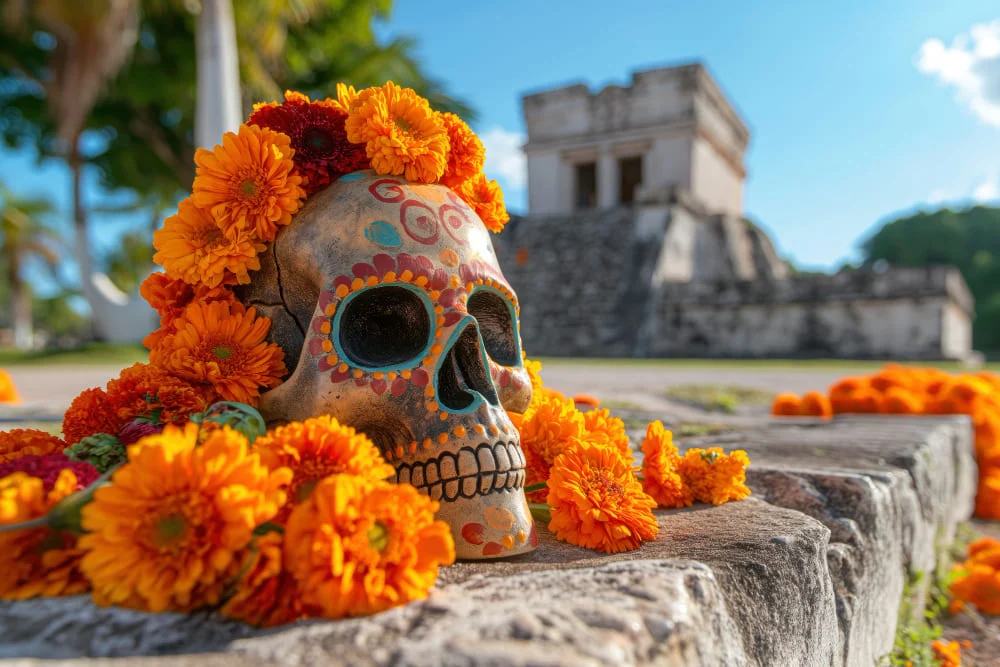
Día de Muertos, or Day of the Dead, is one of Mexico’s best-known cultural celebrations. Observed around the end of October and the beginning of November, it is a time when many families honor and remember relatives and loved ones who have died.
In communities that celebrate this tradition, families may prepare ofrendas—carefully arranged altars featuring photographs, candles, flowers, food, and other meaningful objects. Marigolds, known in Spanish as cempasúchil, are often used to decorate these spaces.
The celebration has Indigenous roots and reflects a complex history of cultural exchange with Catholic traditions. Practices and beliefs differ throughout Mexico, and Indigenous communities have their own distinctive ways of observing the occasion.
Rather than focusing only on death, many Día de Muertos traditions emphasize remembrance, family connections, and the importance of keeping loved ones’ memories alive.
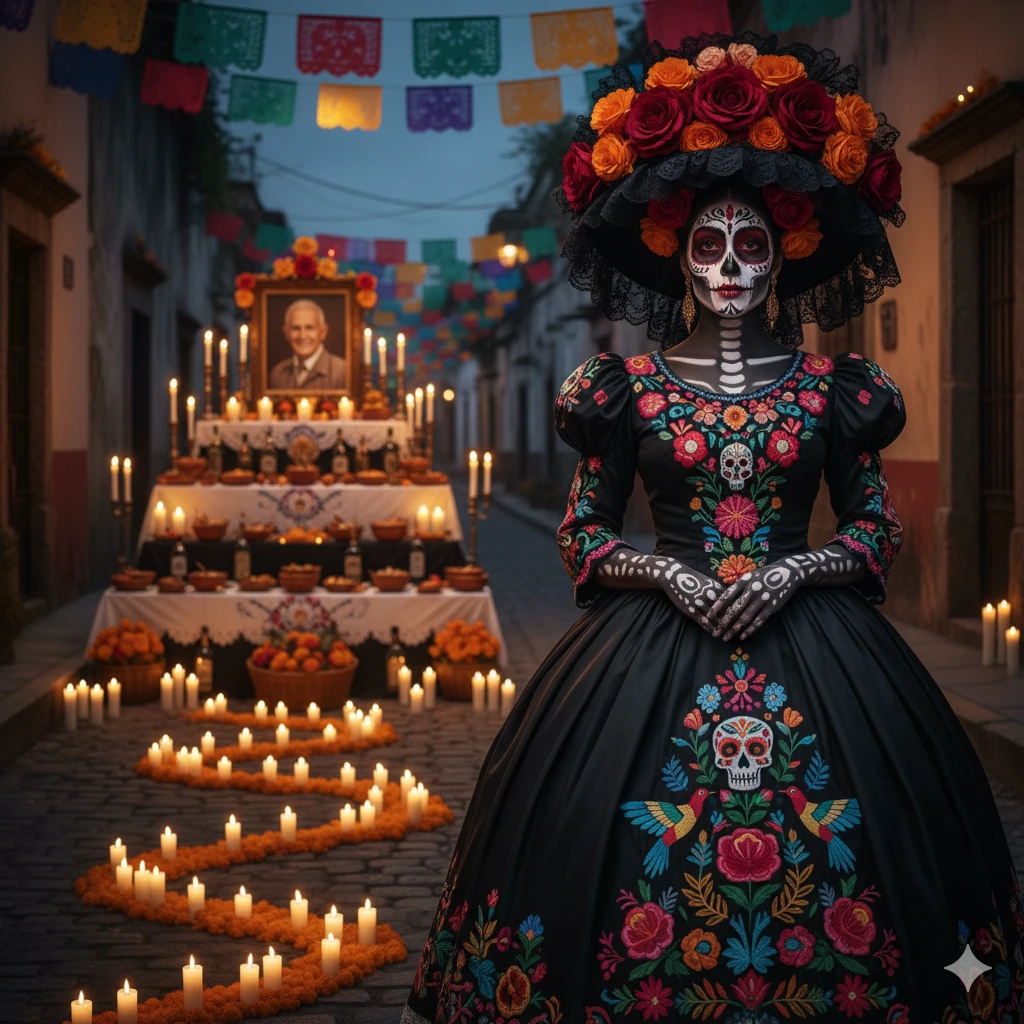
A Spanish Word to Learn
La ofrenda is an offering or a collection of meaningful items arranged to honor someone.
Try saying: Preparamos una ofrenda para recordar a nuestros seres queridos.
Translation: We prepare an offering to remember our loved ones.
2. Guatemala: The Giant Kites of Sumpango and Santiago Sacatepéquez
What Do the Giant Kites Represent?
In Guatemala, the communities of Sumpango and Santiago Sacatepéquez are known for their enormous, colorful handmade kites, called barriletes gigantes.
The kites are prepared over several months and displayed during celebrations associated with All Saints’ Day and the Day of the Dead. Their designs can feature intricate patterns and messages about community life, the environment, and social issues.
For the people who maintain this tradition, making and flying the kites can be a way of connecting with ancestors. The process also brings together craftspeople, families, and community members who help preserve the practice across generations.
In 2024, UNESCO inscribed the technique of making the giant kites of Sumpango and Santiago Sacatepéquez on its Representative List of the Intangible Cultural Heritage of Humanity.
This is a wonderful example of how cultural heritage is not only something we look at in a museum. It is something people actively create, share, and pass on.
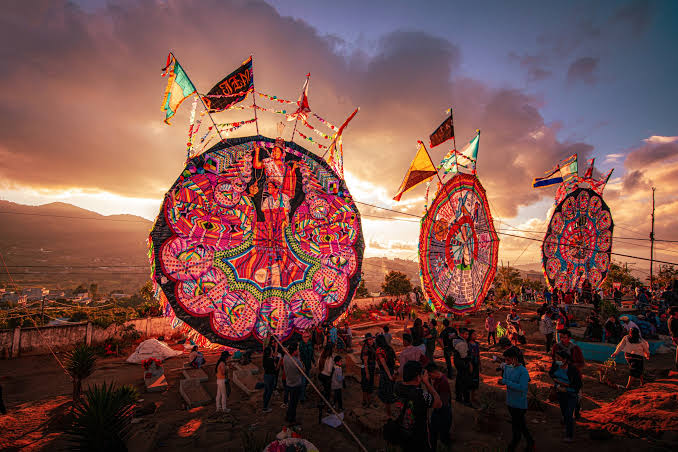
A Spanish Word to Learn
El barrilete is a kite. In some Spanish-speaking regions, other words, such as cometa, are used.
Try saying: El barrilete es muy colorido.
Translation: The kite is very colorful.
3. Bolivia: Todos Santos
How Families Honor Their Loved Ones
In Bolivia, Todos Santos is observed around November 1 and 2, although customs differ between communities and regions.
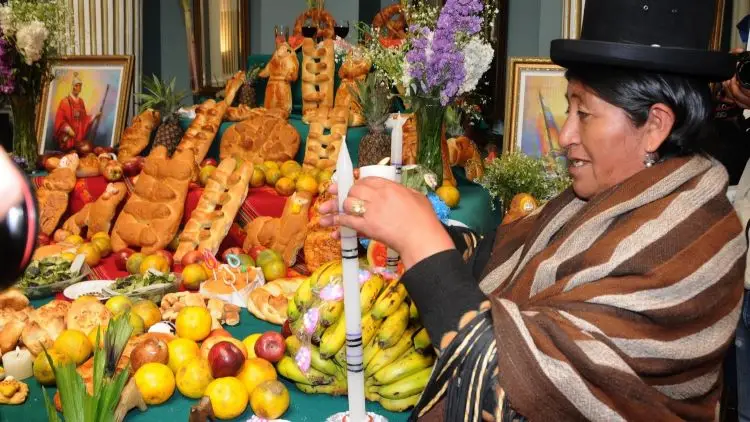
In many Andean communities, families prepare special tables or offerings with bread, flowers, fruit, photographs, and other foods connected to remembrance. Some traditions include distinctive breads shaped into human figures or other symbolic forms.
These preparations can bring together family members and communities to remember those who have died and to maintain connections between generations. The meaning of particular foods, objects, and rituals depends on local and family traditions.
Todos Santos is not one single uniform celebration. Its expressions reflect Bolivia’s diverse Indigenous, regional, and religious heritage.
A Spanish Word to Learn
Recordar is to remember.
Try saying: Hoy recordamos a nuestros seres queridos.
Translation: Today we remember our loved ones.
4. Ecuador: Día de los Difuntos
Colada Morada and Guaguas de Pan
In Ecuador, Día de los Difuntos, or Day of the Deceased, is observed on November 2. For many families, food plays an important role in remembering loved ones and spending time together.
Two especially well-known foods associated with this date are colada morada and guaguas de pan.
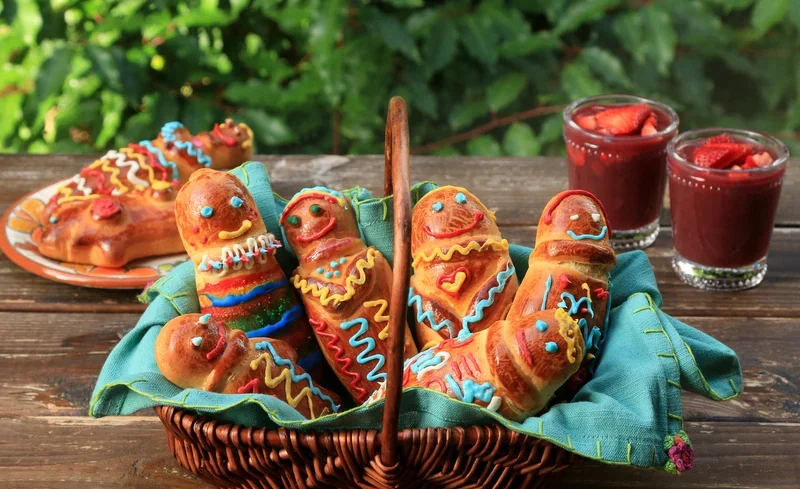
Colada morada is a thick, purple drink traditionally prepared with ingredients such as dark corn flour, fruit, and spices. Guaguas de pan are decorative breads shaped like little people. The word “guagua” means “child” in Kichwa and is also used in some regional varieties of Spanish.
In some communities, families visit cemeteries and share food as part of their remembrance practices. Traditions differ across Ecuador, reflecting the country’s regional and cultural diversity.
Together, these foods show how recipes can carry memories, cultural knowledge, and a sense of belonging from one generation to the next.
A Spanish Word to Learn
Los difuntos is the deceased; people who have died.
Try saying: El Día de los Difuntos es una fecha para recordar.
Translation: The Day of the Deceased is a time to remember.
How to Explore These Traditions With Your Family
You don’t have to travel to another country to begin exploring Spanish-speaking cultures. A conversation, a story or a new word can be a meaningful starting point.
Here are three simple activities you can try at home.
1. Share a family tradition.
Ask your child: “What traditions are important in our family?” Talk about celebrations, special foods, songs, or stories that have been passed down through generations.
2. Discover a new Spanish word.
Choose one word from this article—ofrenda, barrilete, recordar or difuntos. Practice saying it together and use it in a simple Spanish sentence.
3. Explore a tradition together.
Choose one of the four traditions and learn more about its history, the people who maintain it and the region where it is celebrated. Look for reliable sources and, when possible, learn from people who belong to those communities.
The goal isn’t to treat every tradition as the same. It’s to encourage curiosity, respect, and meaningful conversations about the many cultures that make up the Spanish-speaking world.
Keep Exploring Spanish-Speaking Cultures
Language learning goes beyond vocabulary and grammar. It opens doors to stories, traditions, perspectives, and relationships that help us understand one another.
At Parents for Spanish, we celebrate the role that families play in keeping Spanish and its cultural heritage alive. By sharing traditions and discovering new ones, we help children see that Spanish is not just a language to learn—it’s a world of cultures to explore.
Which cultural tradition would you like your family to discover next? Share your ideas with us and keep exploring the richness of the Spanish-speaking world.
Sources and Further Reading
The following resources provide further information about the traditions featured in this article:
- UNESCO — Indigenous Festivity Dedicated to the Dead in Mexico
- UNESCO — The Technique of Making the Giant Kites of Santiago Sacatepéquez and Sumpango, Guatemala
- Ecuador Ministry of Tourism — Official tourism website
Cultural practices vary by community and region. Readers are encouraged to consult local cultural institutions and community sources for more detailed information.