
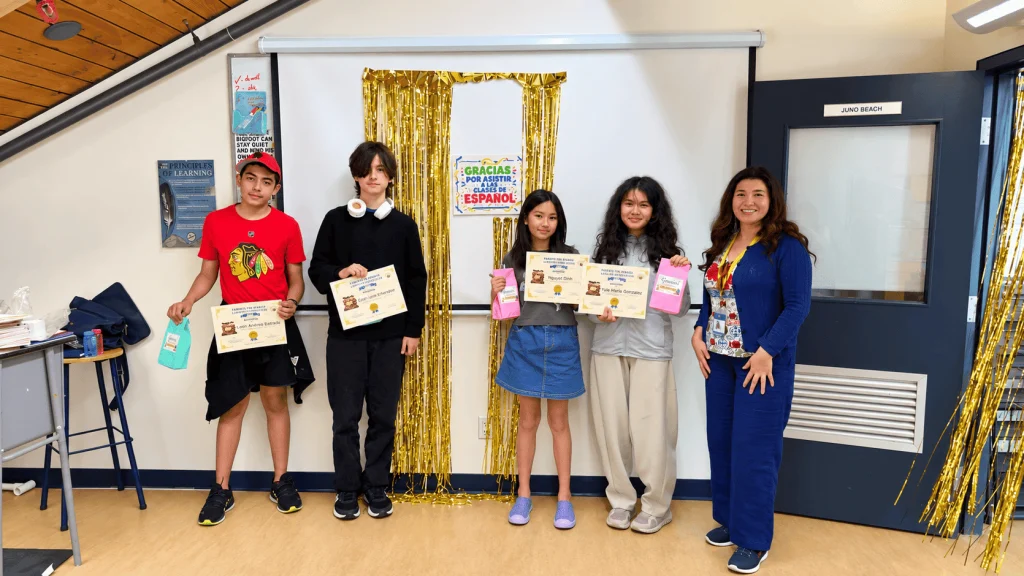
Choosing a Spanish class for your child can feel like a big decision. Beyond learning vocabulary and grammar, the right program can give children opportunities to hear, speak, and enjoy Spanish in a supportive environment. For families looking for Spanish classes for kids in Vancouver, factors such as age, skill level, class size, teaching approach, and opportunities for conversation can all help determine whether a program is a good fit.
What Should Parents Look for in a Spanish Class?
A good Spanish program should do more than introduce new vocabulary. Children benefit from opportunities to hear Spanish regularly, interact with their teacher and classmates, and use the language in meaningful situations.
When comparing programs, parents can consider the teacher’s experience, class size, how students are grouped by age and ability, and how much of the class encourages active participation. For younger learners especially, games, songs, stories, movement, and hands-on activities can make language learning more engaging.
What Age Can Children Start Learning Spanish?
Children can begin being exposed to Spanish from an early age, and there is no single “perfect” age to start. What matters most is that the learning experience is appropriate for the child’s developmental stage, interests, and comfort level.
Younger children often learn best through play, songs, stories, repetition, and movement, while older children may be ready for more structured activities that develop speaking, reading, and writing skills. A program that groups students by both age and language level can help create an environment where children feel comfortable participating and progressing at their own pace.
Choose a Class That Matches Your Child’s Age and Spanish Level
Two children of the same age may have very different experiences with Spanish. One may be hearing the language for the first time, while another may already speak Spanish with family members or have previous classroom experience. That is why it is helpful to consider both age and current language ability when choosing a class.
Before enrolling, parents can ask how students are grouped and whether the program offers different levels. A class that provides an appropriate level of challenge can help beginners build confidence while giving more experienced students opportunities to continue developing their Spanish.
Why Class Size Matters When Learning Spanish
Class size can make a meaningful difference in language learning. In a smaller group, students may have more opportunities to participate, ask questions, interact with classmates, and receive individual attention from the teacher.
For children learning Spanish, these opportunities to participate are especially valuable. Language develops through use, so a classroom environment that encourages each student to speak and engage can help build confidence over time.
Look for Opportunities to Hear and Speak Spanish
Learning a language involves much more than memorizing vocabulary. Children benefit from hearing Spanish used naturally and having opportunities to respond, ask questions, participate in conversations, and express their own ideas.
Activities such as storytelling, games, songs, group discussions, and collaborative projects can give students meaningful reasons to use Spanish. For beginners, this may start with simple words and phrases. As students gain confidence, they can gradually participate in longer conversations and more complex activities.
How Parents Can Support Spanish Learning at Home
A Spanish class can provide valuable practice, but learning does not have to stop when the class ends. Small and consistent opportunities to hear and use Spanish at home can help children become more familiar with the language.
Families can listen to Spanish-language music, read age-appropriate books together, watch familiar shows in Spanish, play simple vocabulary games, or use Spanish during everyday routines. The goal does not need to be perfect grammar. Creating positive and regular exposure to the language can help children see Spanish as something they can use beyond the classroom.
Finding Spanish Classes for Kids in Vancouver
Families looking for Spanish classes for kids in Vancouver have several factors to consider, including location, schedule, age groups, language levels, class size, and teaching approach. Asking these questions before registering can make it easier to find a program that matches your child’s needs and your family’s schedule.
Parents for Spanish Language Association (PSLA) is a Vancouver-based non-profit organization offering Saturday Spanish classes for children, teenagers, and adults. Classes are organized by age and skill level and are led by native Spanish-speaking teachers, with an emphasis on immersive learning and real conversation.
Families interested in joining PSLA can explore current class options and schedules or contact us to learn more about availability and registration.
PSLA classes are held on Saturdays in Vancouver, British Columbia, and welcome students with different levels of Spanish experience.
Frequently Asked Questions About Spanish Classes for Kids
What age can children start learning Spanish?
Children can begin learning Spanish at an early age, and there is no single “perfect” age to start. The right type of class will depend on the child’s age, interests, and previous exposure to the language. Younger children often benefit from learning through songs, games, stories, and movement, while older children may be ready for more structured speaking, reading, and writing activities.
At PSLA, Spanish classes are available for children starting at age 4, with classes organized by age group and Spanish level.
Does my child need to know Spanish before joining a class?
Not necessarily. Many Spanish programs offer beginner classes for children with little or no previous experience, as well as intermediate and advanced options for students who already understand or speak some Spanish. Parents should check how a program assesses or groups students before registering.
How often should children practice Spanish?
Regular exposure can help children become more comfortable with Spanish. In addition to attending classes, families can create short opportunities to hear and use the language throughout the week through books, music, games, conversations, and everyday routines.